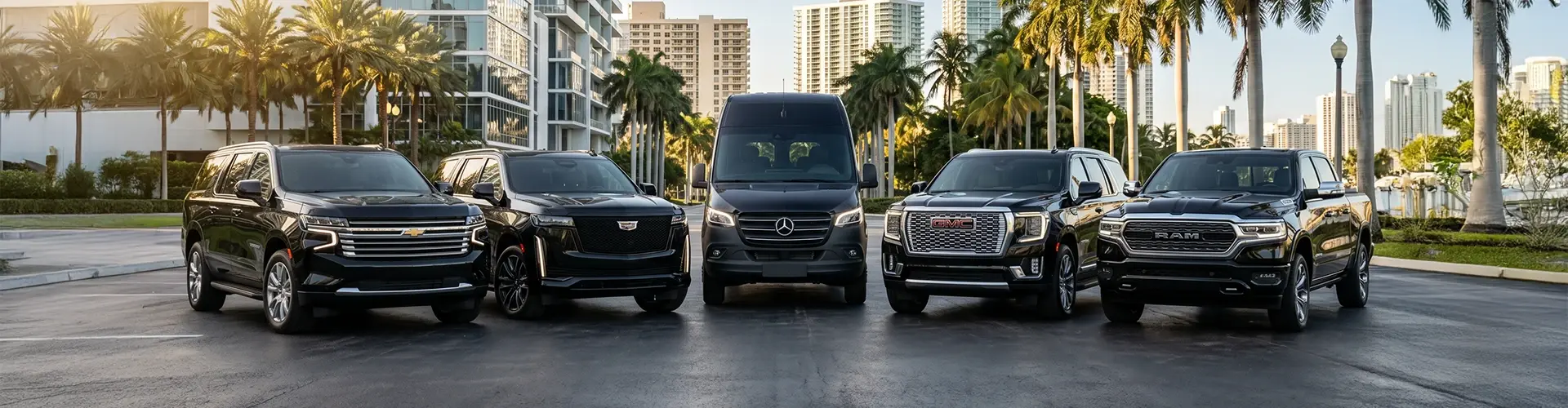
Armoring Levels & Protection Standards 5 Articles

What are the different levels of armoring available?

Armored vehicles are built to specific ballistic protection levels that define the types of threats the vehicle can withstand. These protection levels are standardized under internationally recognized testing and certification frameworks, allowing buyers to compare vehicles across manufacturers and make informed decisions based on their security requirements. At Miami Armored®, the company works primarily with three protection levels BR4, BR6, and BR7, each designed for a distinct security profile and client type. BR4: Lightweight Civilian Protection BR4 is Miami Armored®’s entry-level protection specification, designed for civilian clients who want meaningful everyday security without the weight and bulk of higher armoring configurations. BR4 vehicles are engineered to resist common handgun calibers, including 9mm, .44 Magnum, and .357 Magnum rounds. The armoring materials at this level are lighter and less voluminous than higher specifications. BR4 vehicles are closer in weight and driving feel to their factory counterparts, making them an excellent choice for executives, families, and private individuals seeking discreet daily protection without compromising comfort or performance. BR4 is the preferred level for clients who want real security in a vehicle that looks and drives like a standard luxury SUV. BR6: Advanced Protection for High-Risk Environments BR6 represents a significant step up in ballistic capability and is the most widely used protection level among corporate security teams, government officials, and security professionals operating in elevated-risk environments. BR6 vehicles are engineered to withstand high-powered rifle threats, including 7.62x51mm NATO and 7.62x39mm rounds commonly associated with AK-pattern rifles. This level of protection requires heavier ballistic steel panels and thicker multi-layer ballistic glass, which adds meaningful weight to the vehicle and requires reinforced suspension and braking systems to maintain safe and reliable road performance. BR6 is the standard specification for diplomatic transport, executive protection fleets, and clients operating in regions where organized crime or political instability presents a genuine rifle-level threat. BR7: Military & Government Grade BR7 is the highest protection level Miami Armored® offers and is reserved exclusively for military forces, government agencies, and law enforcement organizations with verified operational requirements at this specification. BR7 vehicles are engineered to resist armor-piercing rifle rounds and other advanced ballistic threats that go well beyond the civilian security environment. The armoring systems at this level are substantially heavier and more complex, requiring specialized structural engineering to maintain vehicle operability. Due to the nature of this specification and the regulatory requirements that govern its sale and export, BR7 vehicles are not available to private civilian buyers. Clients in government, military, or law enforcement who require BR7 vehicles are invited to contact Miami Armored® directly for a confidential consultation. Miami Armored®’s specialists are available to conduct a thorough threat assessment and help every client identify the protection level that genuinely matches their security environment. Selecting the right specification is one of the most important decisions in the armored vehicle purchase process, and the Miami Armored® team is committed to providing honest, experience-based guidance at every step.
Read More

What is the difference between NIJ, UL, and CEN/VPAM standards?

The armored vehicle industry uses several different international standards to define and certify ballistic protection levels. These standards provide a consistent framework for testing and verifying the performance of armored vehicles against specific ballistic threats. Understanding the differences between these standards helps buyers make informed comparisons when evaluating armored vehicle specifications from different manufacturers or markets. The UL 752 standard, published by Underwriters Laboratories, is widely used in North America and defines protection levels based on the caliber and velocity of specific test rounds. UL 752 levels range from Level 1 (9mm pistol rounds) through Level 8 (high-powered rifle rounds) and Level 10 (shotgun rounds). This standard is commonly referenced by armored vehicle manufacturers supplying the U.S. civilian and commercial security market. The NIJ (National Institute of Justice) standard is primarily used to certify personal body armor but is sometimes referenced in discussions of vehicle ballistic protection. The NIJ standard classifies protection levels based on bullet caliber and velocity and is more commonly applied to soft armor panels than to vehicle armoring systems. When NIJ levels are referenced in the context of armored vehicles, they are typically used as a general guide rather than a formal vehicle certification standard. European standards such as CEN 1063 (for ballistic glass) and VPAM are widely used by European armored vehicle manufacturers and are recognized internationally. VPAM levels range from VR4 through VR10 and are commonly referenced for armored vehicles used by government agencies, diplomatic missions, and security professionals in Europe and other regions that follow European certification norms. Miami Armored®’s vehicles are built to meet recognized ballistic standards and are tested and certified to provide the ballistic protection levels specified. The Miami Armored® team can explain the applicable standards for any vehicle in the company’s portfolio and help clients understand how the protection specifications relate to their specific threat environment and operational requirements.

Read More

Which protection level is right for me?

Choosing the appropriate ballistic protection level for an armored vehicle is one of the most important decisions in the purchasing process. The right protection level depends on a careful assessment of the specific security environment in which the vehicle will be used, the types of threats most likely to be encountered, and the balance between protection capability and everyday practicality that the client requires. There is no universal answer, and at Miami Armored®, the company takes this consultation seriously. For clients based in cities across the United States, Miami Armored®’s most commonly recommended specification is the BR4, the company’s lightweight civilian configuration. American urban environments, while not without risk, do not typically present the organized, rifle-level threats that would justify the added weight and cost of a higher protection level for most private individuals. That said, even within the United States, the recommendation changes depending on the client’s specific situation. A client who is actively facing threats, has received credible warnings, or operates in a context that elevates their personal risk profile may require a higher specification regardless of their city or country of residence. Miami Armored®’s threat assessment process is designed precisely to identify these nuances, because the same city can present very different risk realities depending on the client’s identity, role, lifestyle, and security concerns. For clients in countries with high levels of organized crime, active cartel or gang presence, or frequent armed confrontations between criminal organizations and law enforcement, the BR6 heavy-duty configuration is typically the most appropriate choice. Miami Armored® encourages all prospective buyers to schedule a consultation with Miami Armored®’s security specialists before selecting a protection level. During this consultation, the Miami Armored® team reviews the client’s security context, travel patterns, country of residence and operation, and any specific threats or concerns the client is facing.

Read More

Is higher protection always better?

While it may seem intuitive that the highest level of ballistic protection is always the best choice, selecting the appropriate protection level requires a careful evaluation of the client’s actual security needs, the operational environment, and the practical trade-offs associated with higher armoring specifications. Higher ballistic protection levels require thicker and heavier armoring materials, which increase the overall weight of the vehicle. This additional weight places greater stress on the vehicle’s suspension, braking systems, and drivetrain, and may reduce fuel efficiency and overall handling agility. Vehicles configured at higher protection levels require substantial mechanical reinforcement to maintain safe and practical road performance, and they may not be well-suited for everyday civilian use in environments where the threat level does not justify the added complexity. For most private individuals, executives, and families seeking an armored vehicle for personal security in typical urban environments, particularly across U.S. cities, Miami Armored®’s BR4 lightweight civilian configuration is not just sufficient; it is the smart choice. The BR4 is specifically engineered to provide real, tested ballistic protection against the threats most commonly encountered in everyday civilian life, while keeping the vehicle as close as possible to its original factory weight, driving feel, and comfort. Clients who choose the BR4 are not compromising on safety, they are choosing a specification that is genuinely right-sized for their environment, without paying for protection capabilities that their daily reality does not require. Cost is also a practical consideration. Higher protection levels involve more expensive armoring materials, more complex engineering, and longer production timelines. A client who invests in a specification beyond what their risk environment warrants ends up paying more, accepting trade-offs in vehicle performance, and carrying weight that serves no real protective purpose in their day-to-day context. Miami Armored®’s consultative approach is built around honesty. The company does not encourage clients to buy more protection than they need. Miami Armored® specialists provide straightforward, experience-based guidance to ensure that every client receives a vehicle that is genuinely matched to their security reality, whether that is a BR4 for everyday civilian life or a higher specification for genuinely elevated threat environments.

Read More

What does ballistic glass protect against?

Ballistic glass is one of the most critical components of an armored vehicle. Unlike standard automotive glass, ballistic glass is engineered to resist penetration from bullets and other ballistic threats while maintaining optical clarity, allowing the driver and passengers to see clearly through the windows. The performance of ballistic glass is determined by its construction, thickness, and the specific materials used in its multi-layer composition. Ballistic glass used in armored vehicles is typically constructed from multiple layers of polycarbonate, tempered glass, and laminated glass bonded together under high pressure. This multi-layer construction absorbs and distributes the energy of a ballistic impact, preventing penetration into the passenger compartment. The specific configuration of the glass layers is designed to meet the ballistic protection standard specified for the vehicle. Depending on the protection level of the armored vehicle, ballistic glass can be engineered to resist a range of threats, from handgun rounds to high-powered rifle calibers. At lower protection levels, ballistic glass provides resistance against common pistol calibers. At higher protection levels, the glass is designed to withstand repeated impacts from rifle rounds without shattering or allowing penetration. In addition to ballistic resistance, modern ballistic glass is also engineered to resist spall, the fragmentation of glass materials upon impact that can cause injury to passengers. Anti-spall coatings or layers within the glass construction help contain glass fragments and reduce the risk of secondary injury from a ballistic event. Ballistic glass is heavier and thicker than standard automotive glass, and its installation must be carefully engineered to ensure proper fit, sealing, and structural integration with the vehicle. Miami Armored®’s vehicles use high-quality ballistic glass that is sourced from trusted manufacturers and tested to meet the specified protection level, ensuring that every window provides reliable and consistent ballistic protection.

Read More