Most Common Questions 5 Articles

Are armored vehicles legal in the United States?

Armored vehicles and bullet-resistant SUVs are legal for civilian ownership in the United States. Federal law does not prohibit private citizens, companies, or organizations from purchasing armored vehicles for personal protection, business operations, or secure transportation. In most cases, armored vehicles can be registered and operated just like any other vehicle, provided they meet normal road safety and registration requirements. Many individuals and organizations choose armored vehicles as a proactive safety measure, particularly when traveling frequently, operating in higher-risk environments, or transporting high-profile or high-value individuals. Business executives, high-net-worth individuals, corporate security teams, and families often use armored SUVs to add an additional layer of protection during everyday travel while maintaining the comfort and practicality of a luxury vehicle. Armored vehicles are also widely used by government agencies, diplomatic missions, and law enforcement organizations. Police departments, security units, and government institutions frequently operate armored vehicles for official transportation, protective details, and specialized security operations. Armored vehicles for diplomats, ambassadors, and government officials are commonly used to ensure safe and secure mobility in sensitive environments. Modern armored SUVs are designed to maintain the appearance and functionality of the original vehicle while integrating advanced ballistic protection materials such as armored steel, multi-layer ballistic glass, and reinforced structural components. These upgrades create a protective passenger capsule without significantly altering the exterior design of the vehicle. While armored vehicles are legal for civilian ownership in the United States, it is important to note that regulations may differ in other countries and are subject to change at any time without notice. Some nations impose restrictions on ballistic protection levels, import regulations, or ownership requirements. Clients purchasing armored vehicles should always consult with their local DMV or relevant vehicle governing body to verify the laws and regulations applicable in their country. Miami Armored® does not hold any liability over the licensing, permitting, or legality of owning or operating an armored vehicle in any jurisdiction.

Read More

Are armored vehicles bulletproof?

The term “bulletproof” is widely used in movies, media, and popular culture, but in reality, no vehicle can be completely bulletproof. The more accurate technical term used in the security and armored vehicle industry is bullet-resistant. These terms reflect the fact that armored vehicles are engineered to withstand specific ballistic threats rather than being completely impervious to every type of weapon and threats. Armored vehicles are designed and tested according to internationally recognized ballistic protection standards. These standards define the level of protection the vehicle can provide against certain types of firearms and ammunition. Depending on the selected protection level, armored vehicles can be engineered to resist handgun rounds, high-powered rifle rounds, and other ballistic threats commonly encountered in security situations. The level of ballistic protection depends on the armoring specification chosen for the vehicle. Different protection levels are designed to address different risk environments. For example, many civilian armored SUVs are configured to resist common handgun threats, while higher protection levels may be engineered to withstand more powerful rifle calibers used in higher-risk scenarios. To achieve this level of protection, armored vehicles incorporate advanced materials such as ballistic steel panels, multi-layer ballistic glass, and reinforced structural components throughout the passenger compartment. These materials work together to create a protective capsule designed to shield occupants from external ballistic threats while maintaining the structural integrity of the vehicle. Modern armored SUVs are engineered to provide this protection while preserving the comfort, performance, and appearance of the original vehicle platform. From the outside, most armored vehicles look nearly identical to their factory models, allowing clients to benefit from discreet security without attracting unnecessary attention.

Read More

What vehicles do you armor most commonly in the United States?

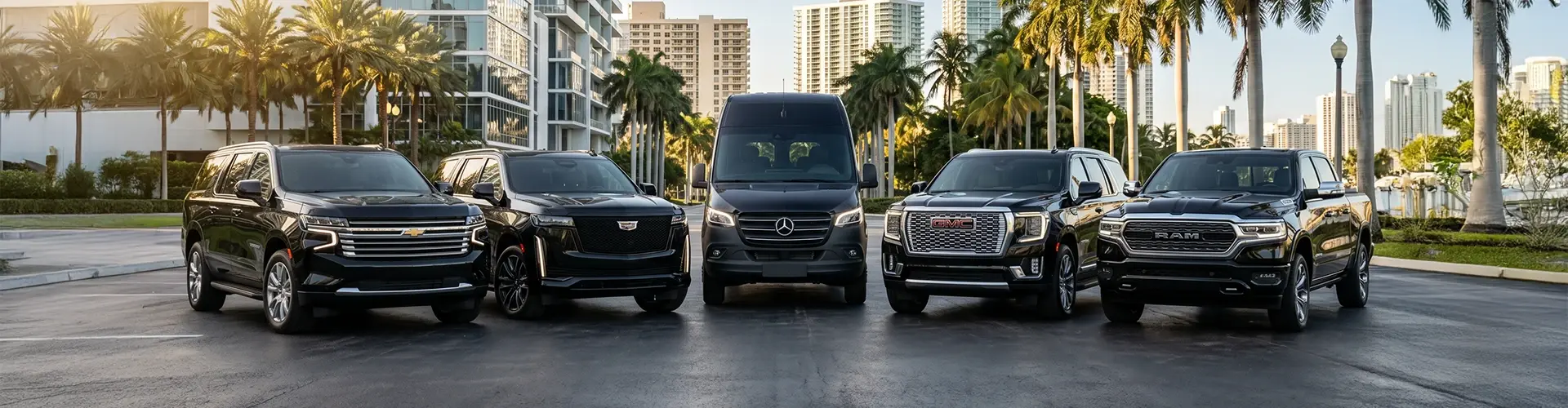
In the United States, armored SUVs are the most popular type of armored vehicle due to their size, durability, and versatility. Their strong chassis, high load capacity, and spacious interior allow ballistic protection materials to be integrated effectively while maintaining passenger comfort and driving performance. These characteristics make SUVs ideal platforms for armored vehicle engineering and everyday secure transportation. Some of the most commonly armored vehicles include luxury SUVs such as the armored Cadillac Escalade, armored Chevrolet Tahoe, and the armored Chevrolet Suburban. These vehicles are widely chosen because they offer excellent structural foundations for advanced armoring systems while preserving the premium comfort and driving experience expected from luxury vehicles. Other platforms are also frequently armored depending on the client’s needs and regional preferences. Vehicles such as the Toyota Land Cruiser, Lexus LX, and other high-performance SUVs are commonly selected for armored vehicle conversions due to their durability, reliability, and global availability. These vehicles are often used for executive protection, diplomatic transportation, and secure mobility in both urban and international environments. During the armoring process, ballistic steel panels, multi-layer ballistic glass, reinforced door structures, and upgraded suspension components are integrated into the vehicle. Additional protective systems may include firewall protection, fuel tank protection, runflat systems, and reinforced structural pillars. Together, these components create a protective passenger capsule of capable to withstanding ballistic threats. Armored SUVs remain the preferred choice for executive transportation, family protection, and security operations because they offer the ideal balance between ballistic protection, luxury, and everyday practicality. Their ability to combine discreet protection with the comfort and appearance of a regular luxury vehicle makes them one of the most widely used armored vehicle types in the United States and internationally.

Read More

How Long Does It Take to Build an Armored Vehicle?

The time required to build an armored vehicle can vary depending on several factors, including the vehicle model, the level of ballistic protection selected, and the customization options requested by the client. In general, the production process for a professionally engineered armored SUV typically takes several weeks, as the vehicle must go through a detailed armoring and engineering process to ensure proper ballistic protection and structural integrity. Unlike a standard vehicle modification, armoring a vehicle involves carefully integrating ballistic materials directly into the vehicle’s structure. During this process, specialized technicians install components such as ballistic steel panels, multi-layer ballistic glass, reinforced door structures, and upgraded suspension systems. These elements must be precisely engineered and installed in order to create a secure passenger compartment while preserving the vehicle’s drivability and comfort. The level of ballistic protection selected also plays an important role in determining the production timeline. Lightweight armored vehicles designed for everyday civilian protection may require less structural modification than higher-level armored vehicles intended for elevated risk environments. Vehicles built with higher ballistic protection levels may require additional reinforcement, specialized materials, and extended testing procedures. Another factor that can influence the delivery timeline is the level of customization requested by the client. Many armored vehicles are built to include optional security features such as runflat systems, reinforced suspension components, emergency lighting systems, communication equipment, or other specialized security technologies. Interior customization, luxury upgrades, and special vehicle configurations may also affect the overall production schedule. For clients considering the purchase of an armored vehicle, the best way to determine the expected delivery timeline is through a direct consultation with a Miami Armored® specialist. During this process, the vehicle platform, protection level, and customization requirements can be evaluated in order to provide a more accurate estimate for production and delivery.

Read More

Can anyone own an armored vehicle?

Armored vehicles are legal for private ownership in the United States. Private individuals, families, and businesses can purchase armored vehicles as part of their personal security strategy without requiring special permits in most jurisdictions. Civilian ownership of armored vehicles is permitted as long as the vehicle itself complies with standard vehicle regulations and safety requirements. A wide variety of clients legally purchase armored vehicles in the United States. These buyers often include business executives, high-net-worth individuals, entrepreneurs, celebrities, professional athletes, private investors, and families seeking additional personal protection. Armored vehicles are also frequently used by corporate security teams, executive protection professionals, and private security companies responsible for transporting high-profile individuals. Government institutions and public sector organizations also utilize armored vehicles. Law enforcement agencies, federal and local government departments, diplomatic missions, embassies, and consulates often operate armored vehicles for secure transportation. Armored vehicles for diplomats, ambassadors, government officials, and political leaders are commonly used to ensure safe mobility during official travel or security-sensitive situations. In addition to private and government clients, armored vehicles are also acquired by international organizations, NGOs, and security contractors working in environments where additional protection may be required. In these cases, armored SUVs and security vehicles provide a protective barrier against potential threats while allowing personnel to move safely and efficiently. It is important to note that while armored vehicles are generally legal for civilian ownership in the United States, regulations can vary from country to country and are subject to change at any time. Some nations impose restrictions on ballistic protection levels, vehicle importation, or ownership requirements. Clients purchasing armored vehicles should always consult with their local DMV or relevant vehicle governing body to verify the specific laws and regulations that apply in their jurisdiction. Miami Armored® does not hold any liability over the licensing, permitting, or legality of owning or operating an armored vehicle in any jurisdiction.

Read More