
Are armored vehicles bulletproof?
The term “bulletproof” is widely used in movies, media, and popular culture, but in reality, no vehicle can be completely bulletproof. The more accurate technical term used in the security and armored vehicle industry is bullet-resistant. These terms reflect the fact that armored vehicles are engineered to withstand specific ballistic threats rather than being completely impervious to every type of weapon and threats.
Armored vehicles are designed and tested according to internationally recognized ballistic protection standards. These standards define the level of protection the vehicle can provide against certain types of firearms and ammunition. Depending on the selected protection level, armored vehicles can be engineered to resist handgun rounds, high-powered rifle rounds, and other ballistic threats commonly encountered in security situations.
The level of ballistic protection depends on the armoring specification chosen for the vehicle. Different protection levels are designed to address different risk environments. For example, many civilian armored SUVs are configured to resist common handgun threats, while higher protection levels may be engineered to withstand more powerful rifle calibers used in higher-risk scenarios.
To achieve this level of protection, armored vehicles incorporate advanced materials such as ballistic steel panels, multi-layer ballistic glass, and reinforced structural components throughout the passenger compartment. These materials work together to create a protective capsule designed to shield occupants from external ballistic threats while maintaining the structural integrity of the vehicle.
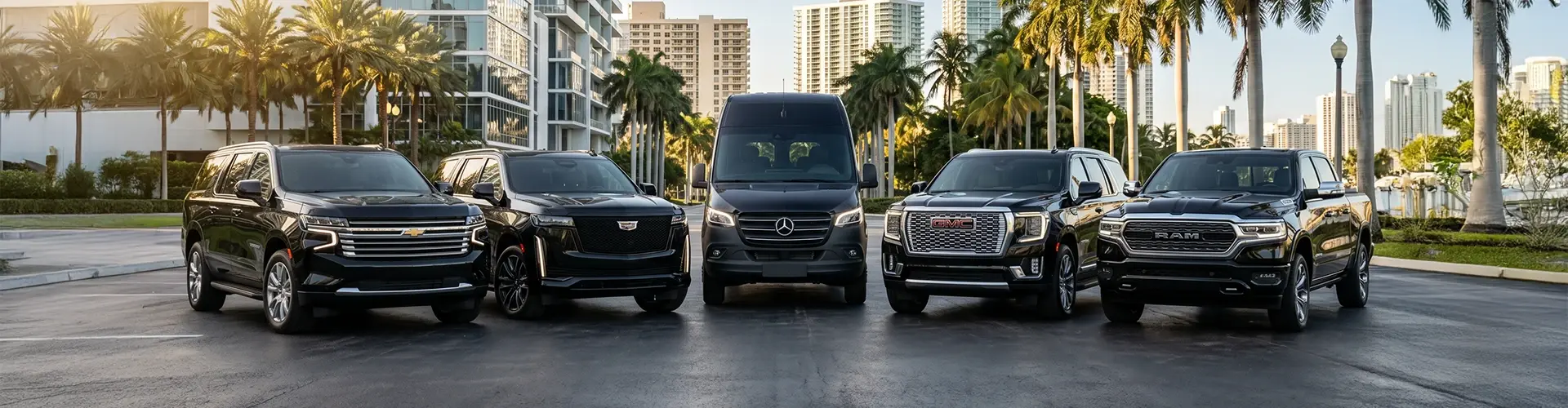
Modern armored SUVs are engineered to provide this protection while preserving the comfort, performance, and appearance of the original vehicle platform. From the outside, most armored vehicles look nearly identical to their factory models, allowing clients to benefit from discreet security without attracting unnecessary attention.
